Hot-wash first, then AI sorting — the sequence that keeps our flake cleaner and color-sorted more accurately
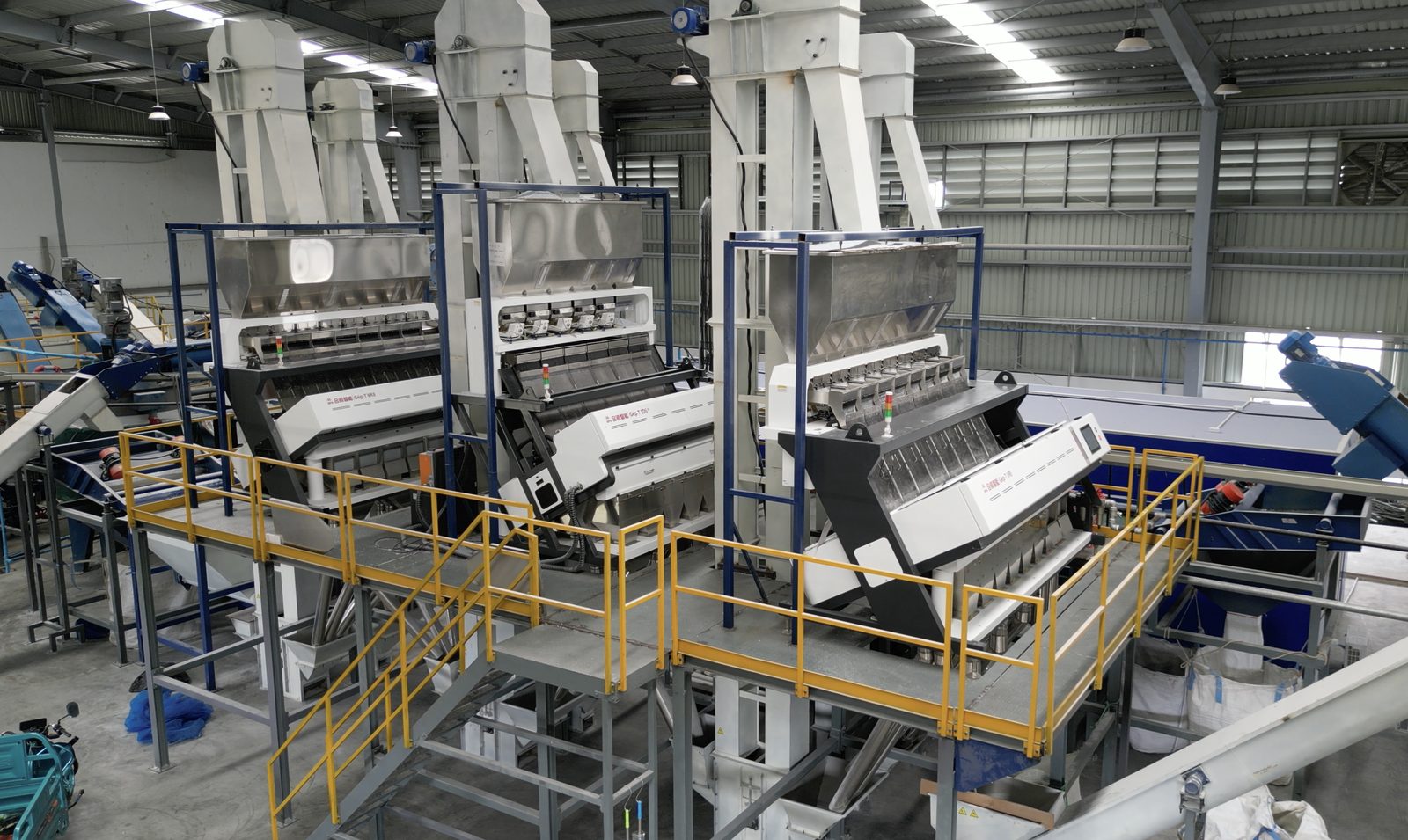
Incoming PET bottles and flake first pass through a high-temperature hot-wash tank to remove grease, label glue and organic contaminants. This is far more effective than typical cold washing, leaving the flake surface clean and its true color clearly visible.
The cleaned material then enters our automated sorter, which uses AI Vision cameras together with Near-Infrared sensors to detect color, clarity and any surviving contaminants in real time, automatically rejecting off-grade flake. This reduces reliance on manual labor and improves output consistency.
Why This Technology Is Our Advantage
High Purity, Low Contamination
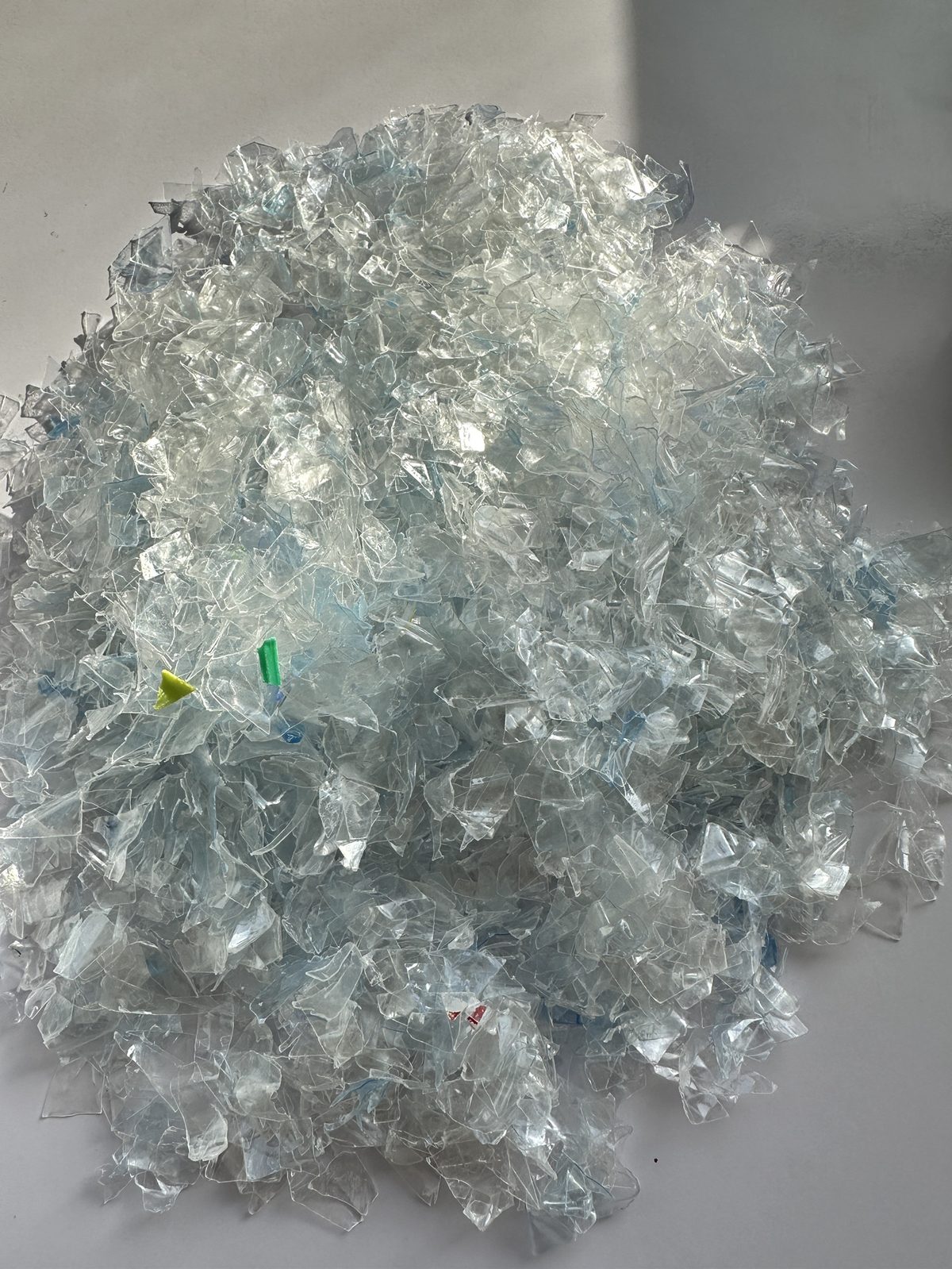
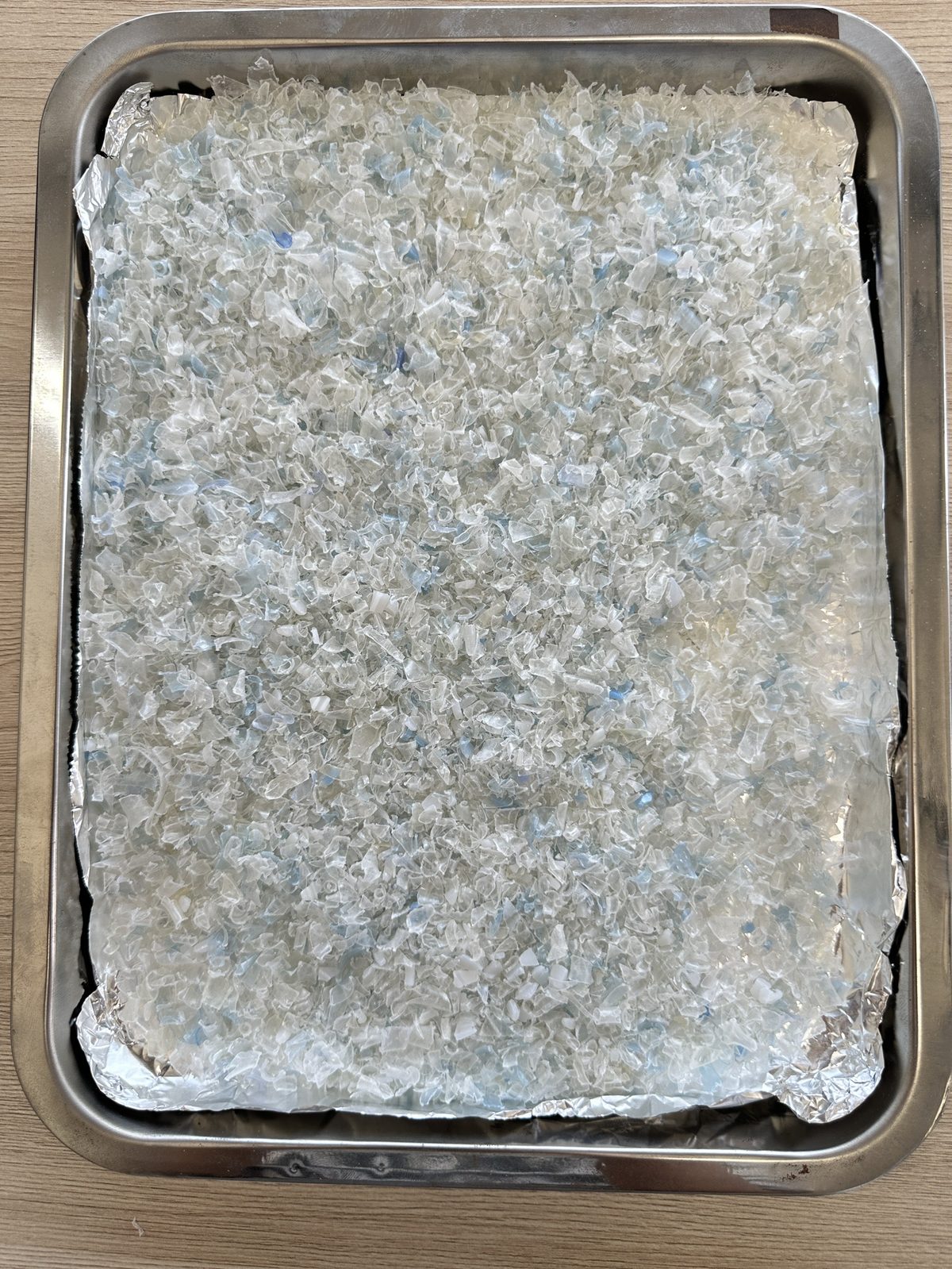
AI cameras and NIR sensors inspect every single piece of flake in real time, not just spot-check samples, reducing the chance labels, glue, or non-PET resin slip into a delivered batch.
Consistent Quality Every Batch
Automated sorting produces steady, repeatable results, unlike manual sorting which varies with each operator's judgment.
Less QC Work On Your End
When raw material is clean and on-grade from the start, you spend less time re-inspecting and re-sorting, and can plan production with more confidence.
Full Batch Traceability
Every batch is logged from intake through washing and sorting, so you can reference its source whenever needed.
How AI Vision + NIR Sorting Works
AI Vision cameras photograph plastic flake as it moves along the conveyor at high speed, then use a trained model to analyze color, clarity and shape of each piece in real time — faster and more consistent than the human eye at this volume.
Near-Infrared (NIR) sensors shine near-infrared light onto each piece of plastic. Different plastics reflect light back in a distinct spectral signature, letting the system tell genuine PET apart from other resins (such as PVC, PP, or PE) that may have mixed in unintentionally, even when they look nearly identical.
Once the system identifies an off-grade or non-PET piece, a high-speed air jet ejects it from the main conveyor instantly. This sorting technology is widely used across the recycling industry worldwide.
Video of the AI Vision + NIR color-sorting machine running on our factory floor